


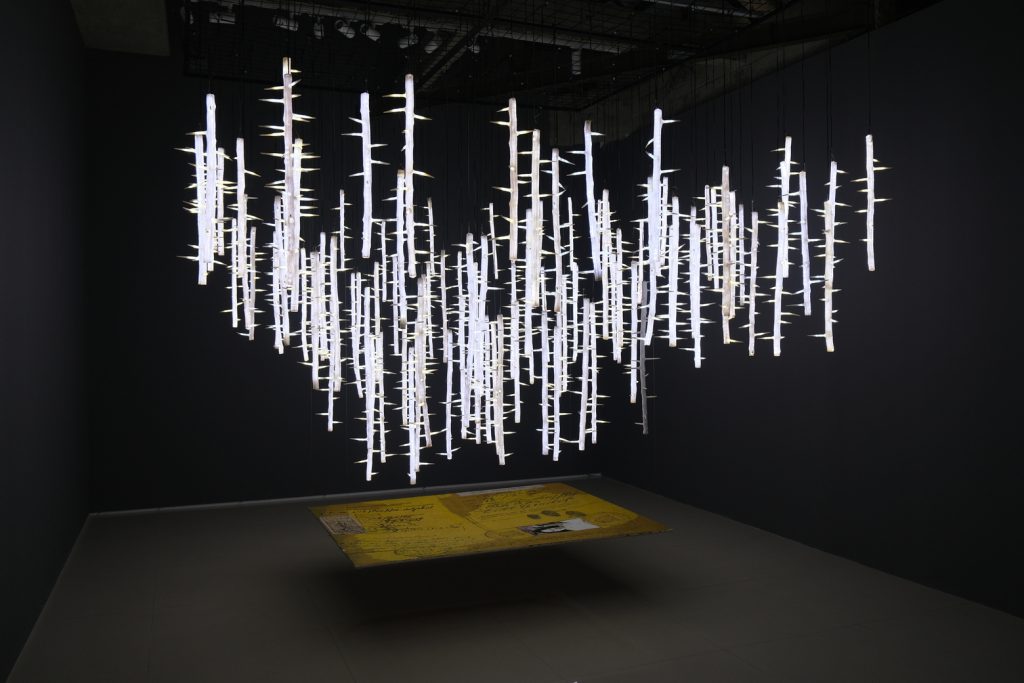
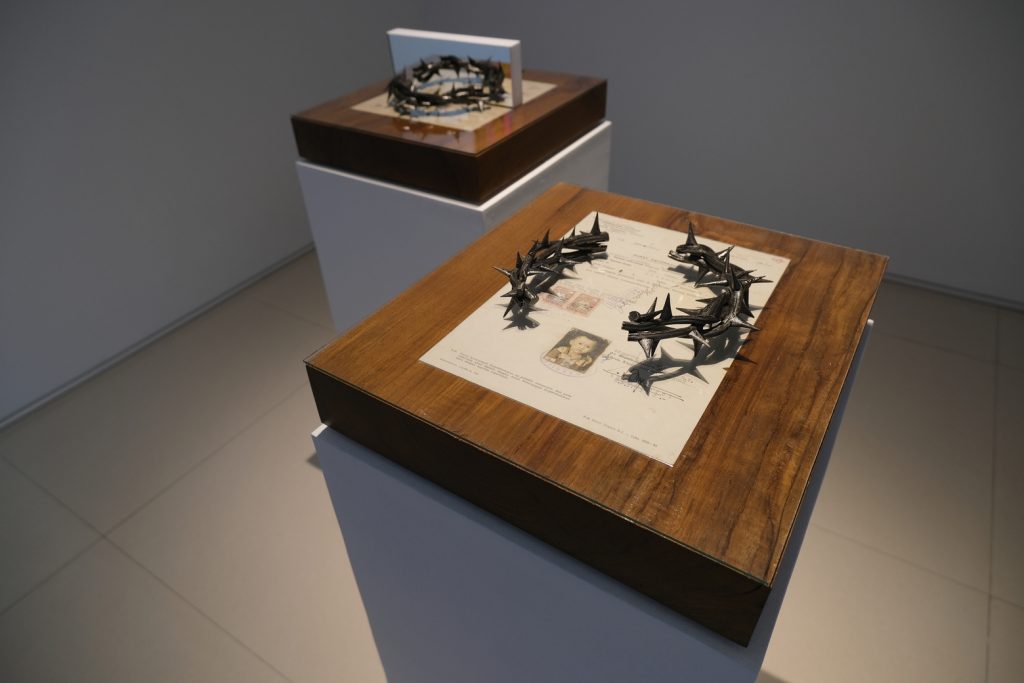
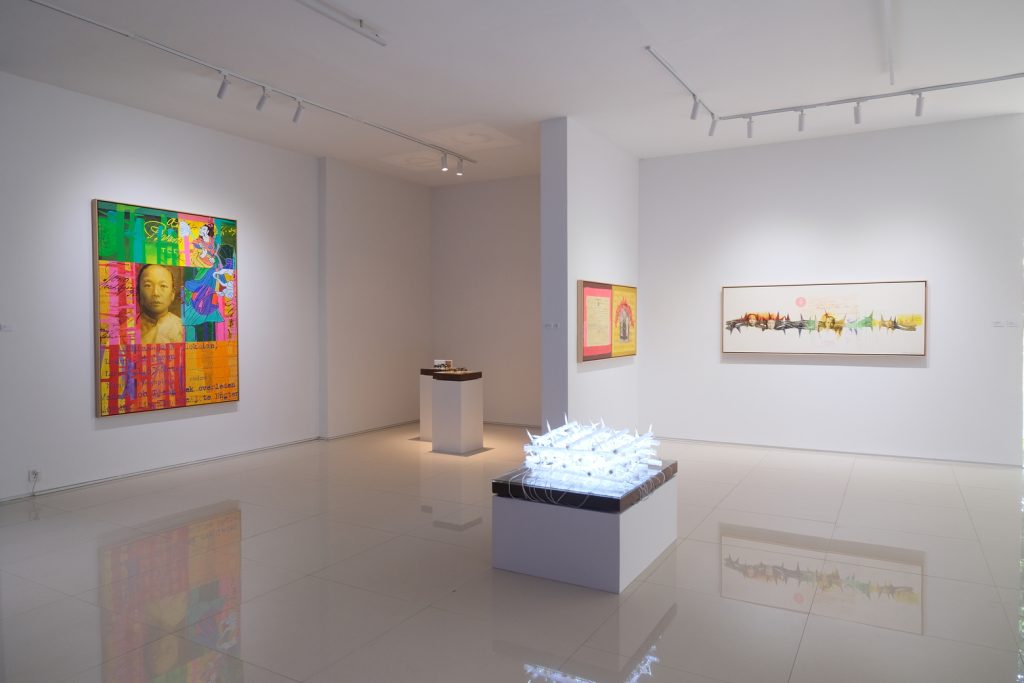
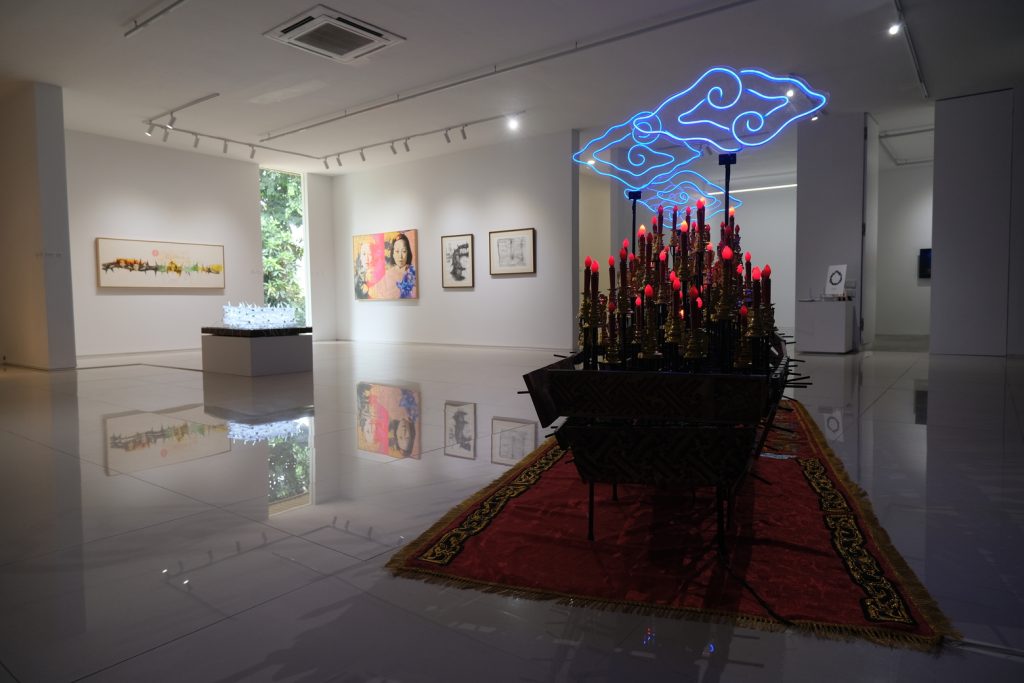
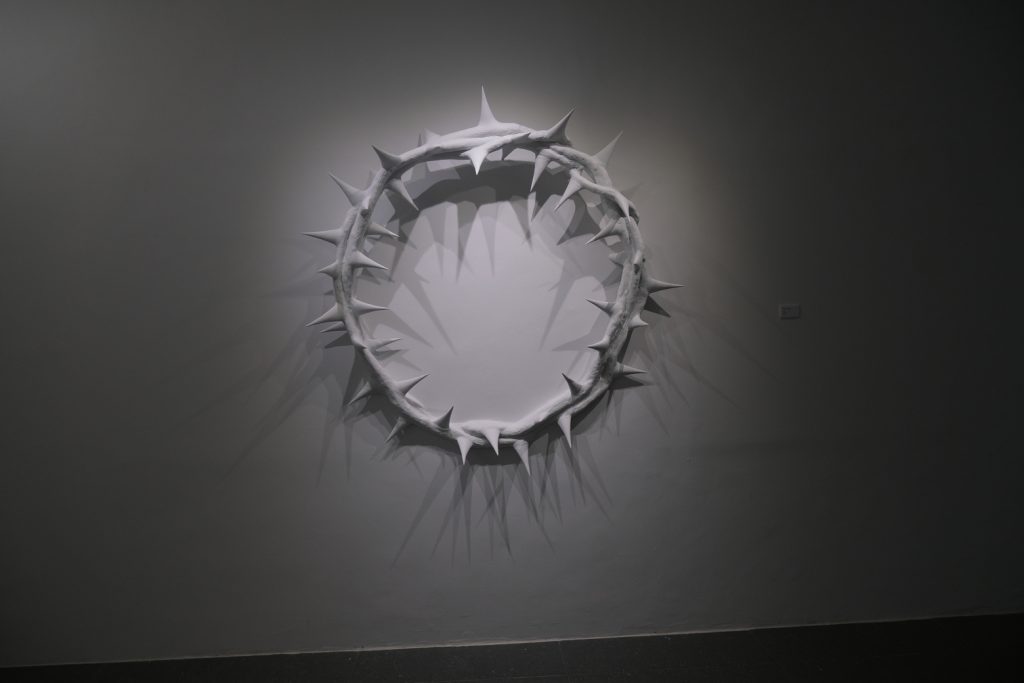
FX Harsono (b. 1949) is a seminal figure in the Indonesian contemporary art scene. Since his student days he has been an active critic of Indonesian politics, society and culture, always updating his artistic language to the current new social and cultural contexts. Harsono’s own biography and family history are often the basis of his art, pointing at the disconcerting situation of minorities, the socially underprivileged against the backdrop of Indonesia’s own history and political development. This intersection of the personal and the politics is particularly evident in his most recent works. Furthermore, his oeuvre can be seen as a constant questioning and reflection of his own position as an artist within society.
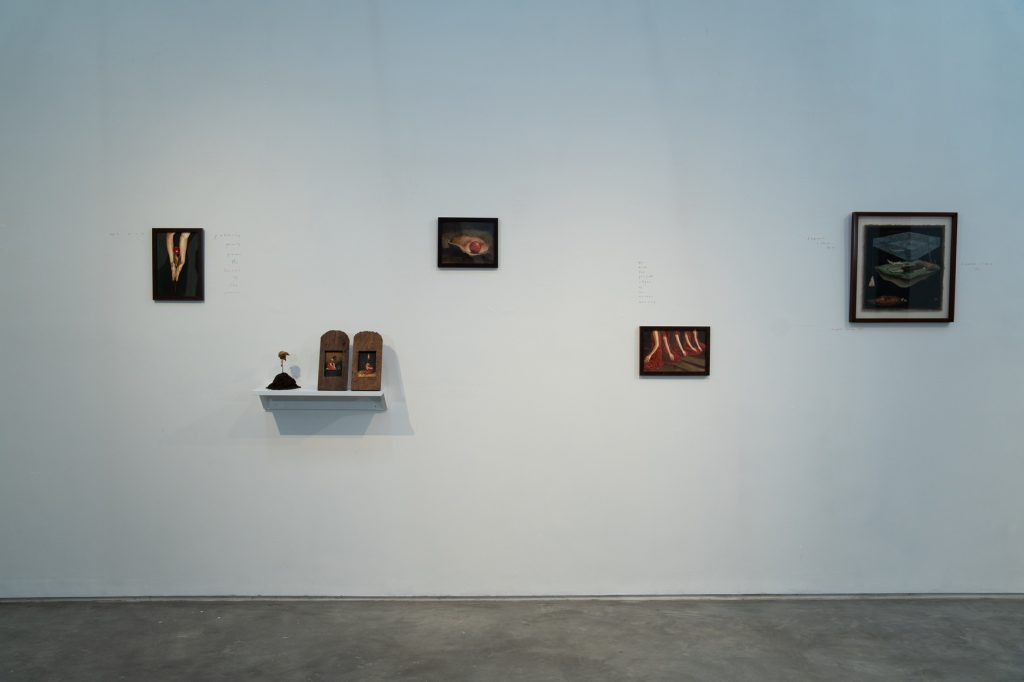
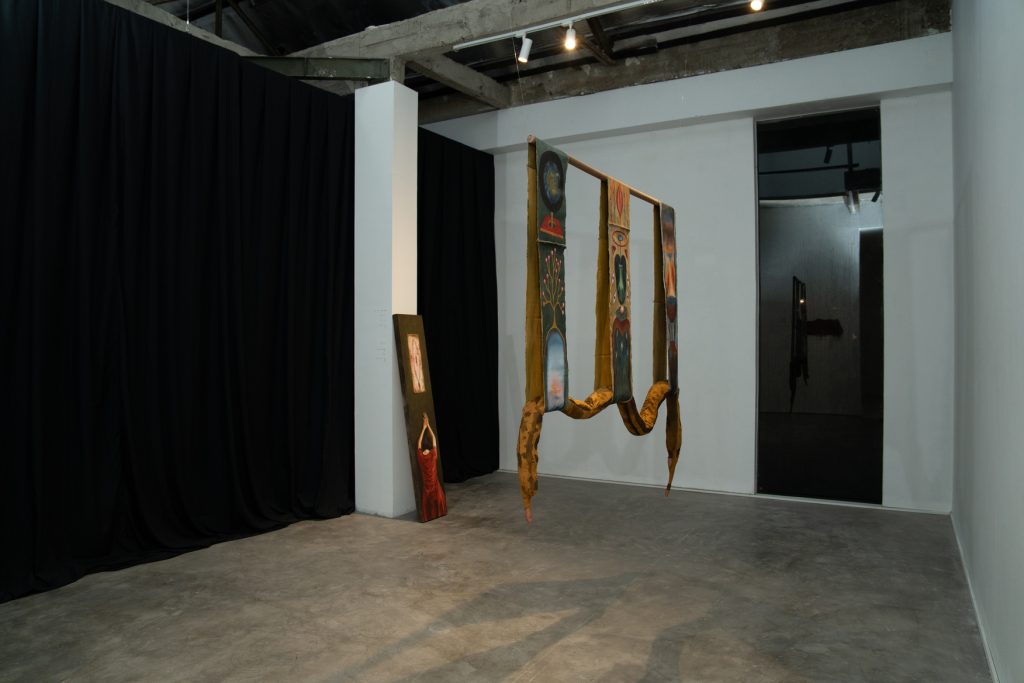
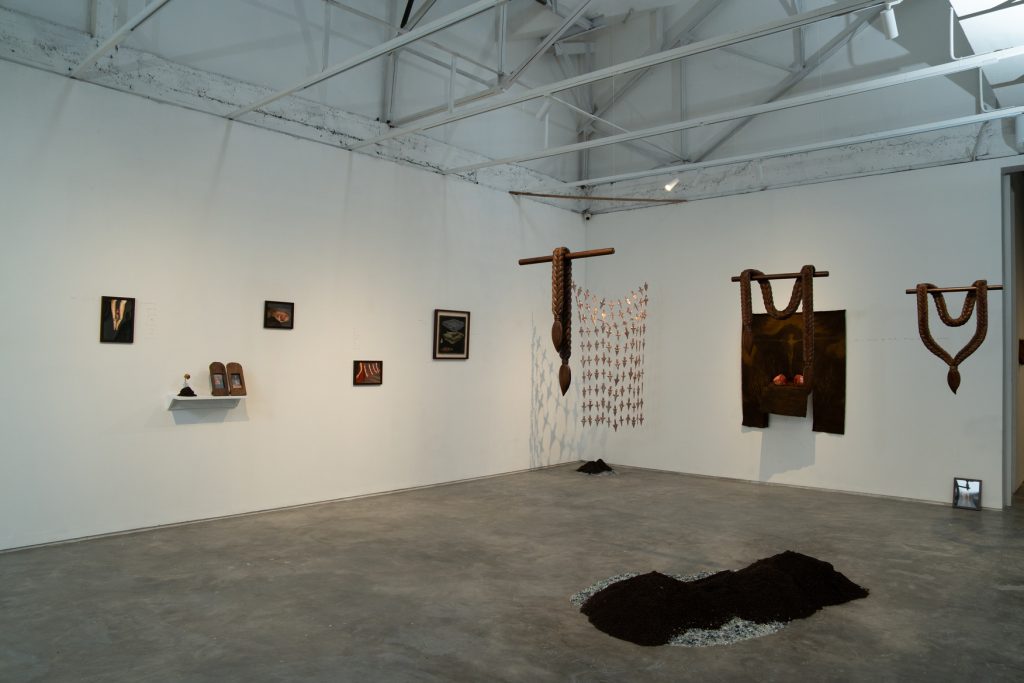
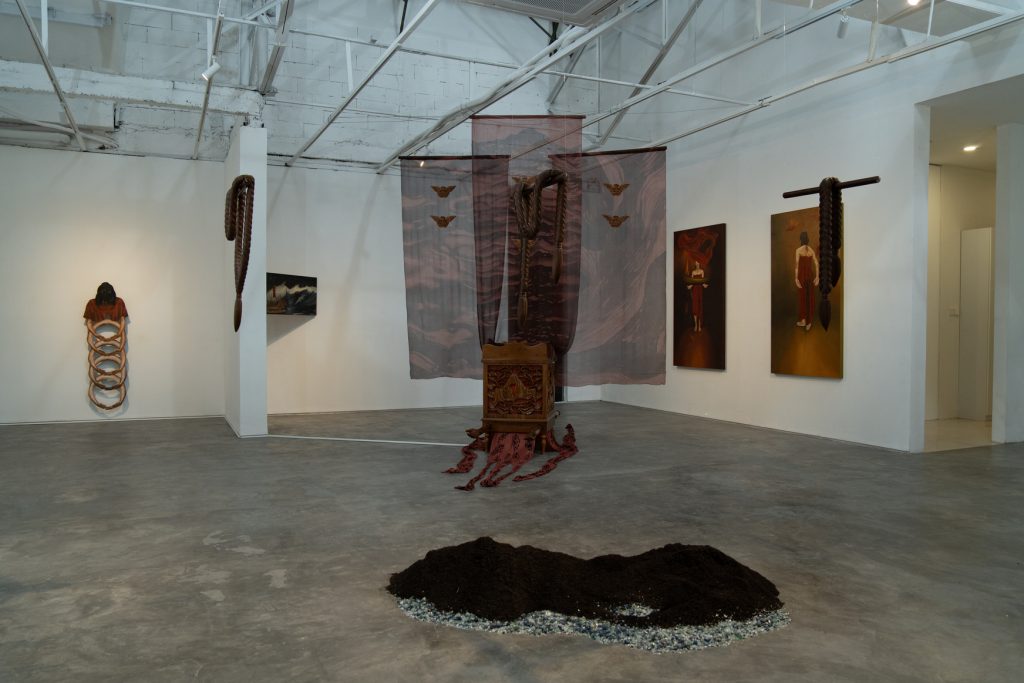
Dian Suci is a multimedia artist based in Yogyakarta, Indonesia. Her practice lies at the intersection of domestic narratives and the political power of the state. Drawing from her everyday experiences as a single mother, her works frequently address issues related to the political domestication of women, authoritarianism and fascism, patriarchy, and capitalism, which structurally underlie various problems faced by women in Indonesia. Dian often presents her work with an acute awareness of space, depicting bodily experiences, and using the composition of objects as metaphors for the messages she seeks to convey. Dian employs a variety of media in her work, including installations, paintings, and video.
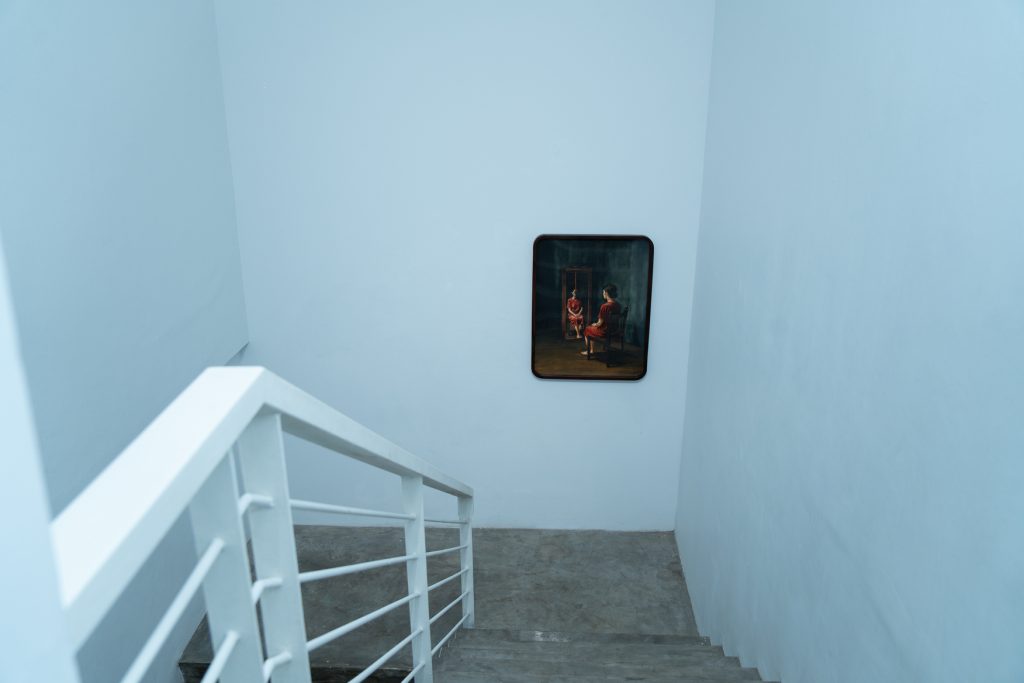
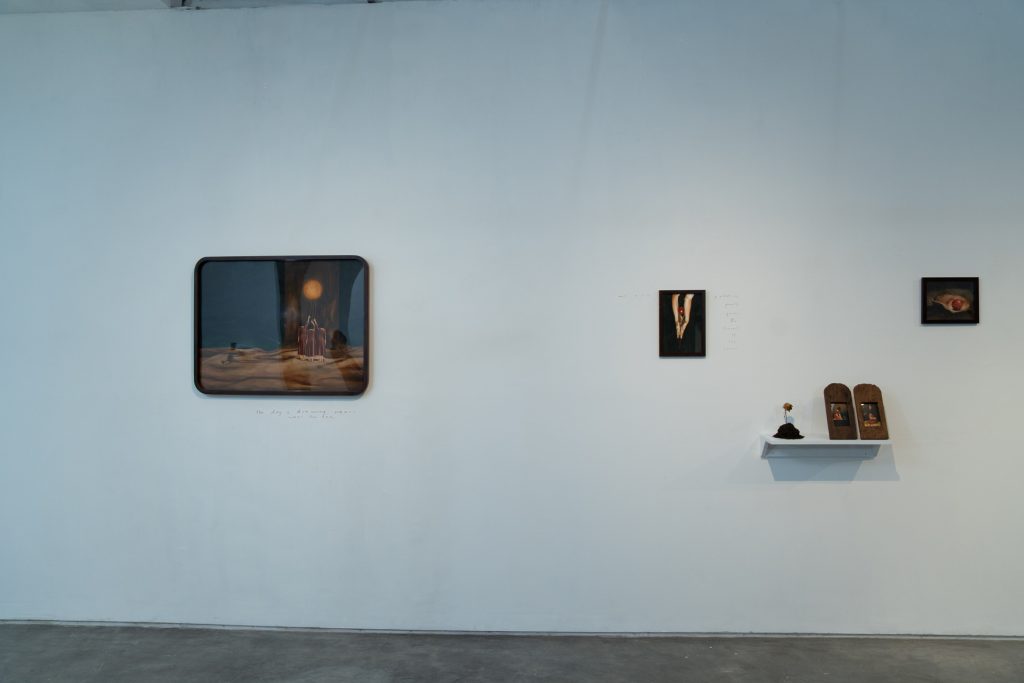


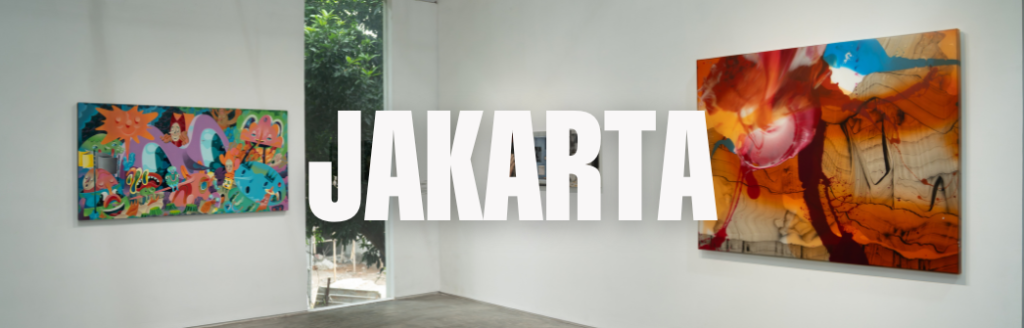
James Jean was born in Taiwan and attended the School of Visual Arts in New York. He currently lives and works in Los Angeles.
Renowned for his virtuosic ability to work across different genres with an imaginative and multifaceted approach to image making, Jean fuses contemporary subjects with aesthetic techniques inspired by traditional Chinese scroll paintings, Japanese woodblock prints, and Renaissance portraiture. By experimenting with different styles and art-historical genres, Jean depicts detailed cosmological worlds that focus on both individual and universal experiences. Layered with imagery drawn from contemporary culture and age-old allegories, he imagines a collective realm of mythological proportions.
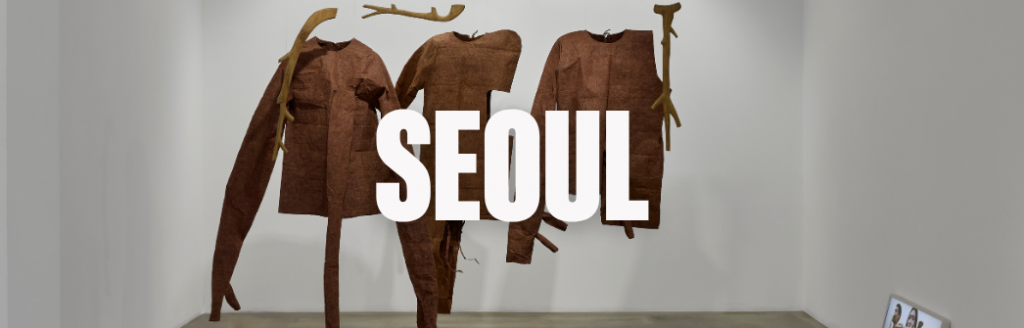
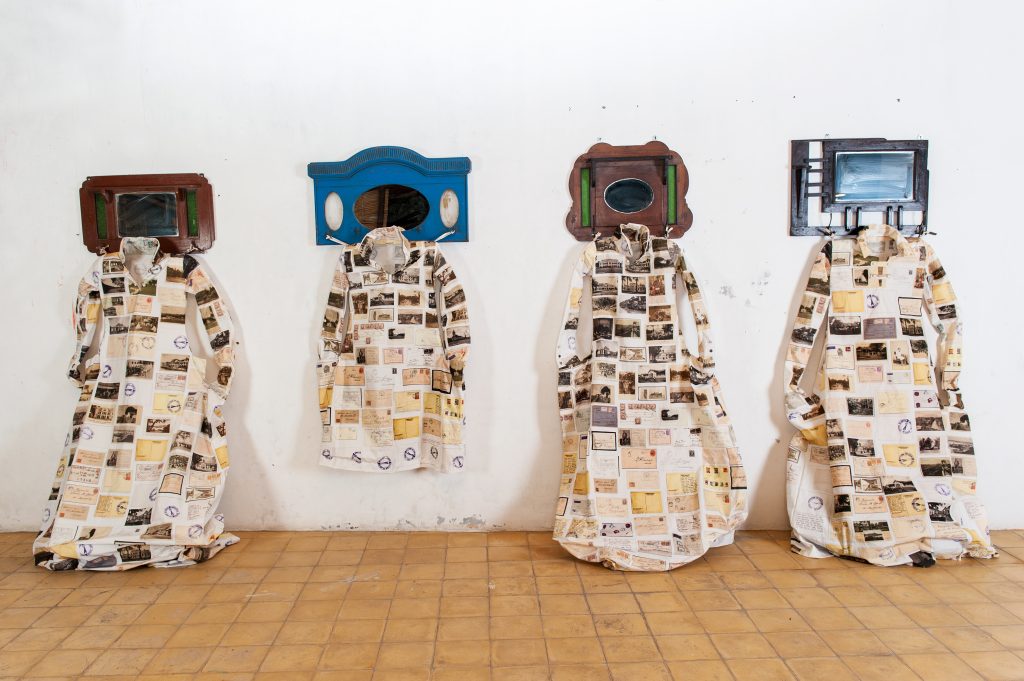
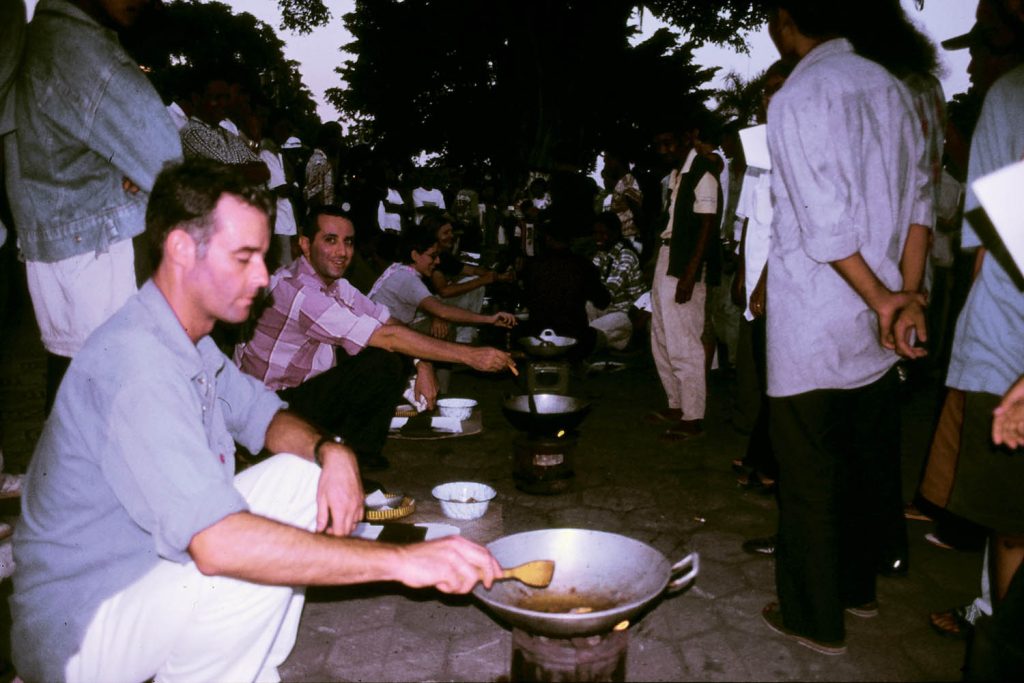
Mella Jaarsma has become known for her complex costume installations and her focus on forms of cultural and racial diversity embedded within clothing, the body and food. She was born in the Netherlands in 1960 and studied visual art at Minerva Academy in Groningen (1978-1984), after which she left the Neth- erlands to study at the Art Institute of Jakarta (1984) and at the Indonesian Institute of the Arts in Yogyakarta (1985-1986). She has lived and worked in Indonesia ever since. In 1988, she co-founded Cemeti Art House (with Nindityo Adipurnomo), the first space for contemporary art in Indonesia, which to this day remains an important platform for young artists and art workers in the country and region.
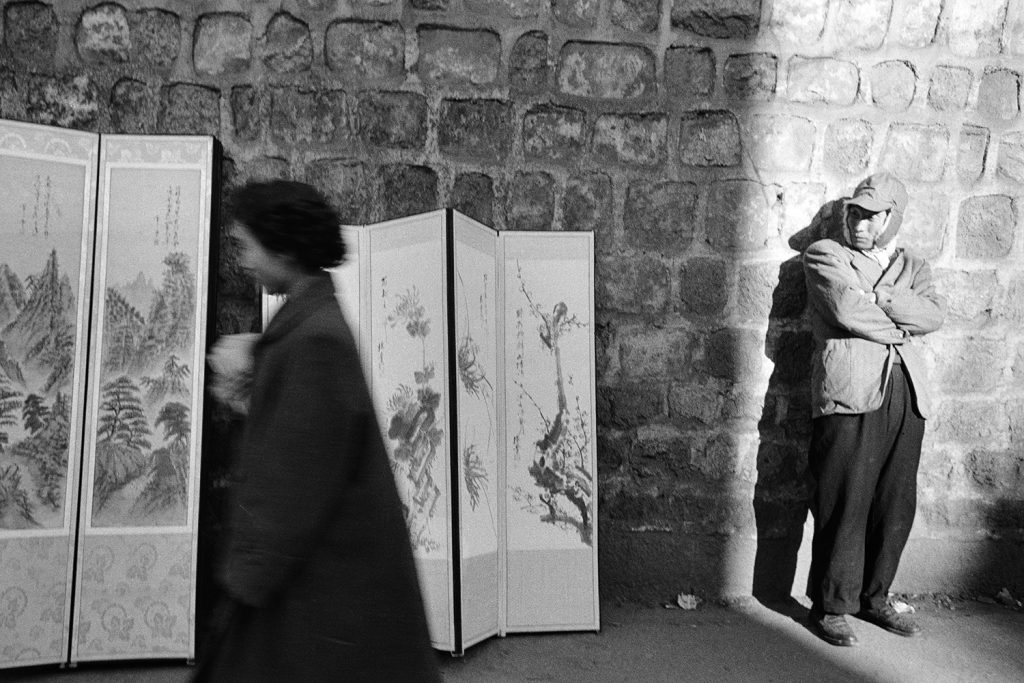
Han Youngsoo, born in 1933 to a wealthy family in Gaesong developed an interest in photography based on his artistic sensibility, which had stood out since childhood. After serving in the Korean War, he settled in Seoul, having paid attention to social realities, and began his serious photo works through Shinsunwhue, Korea’s first realism photography society. During the rapid economic growth of the 1960s, Han played a pioneering role with a new perspective in the fields of advertising and fashion photography. Then in 1966, he founded Han’s Photo, which became an important foundation for professionalizing commercial photography in Korea as he continued to play a key role in various photography associations and cultural institutions.
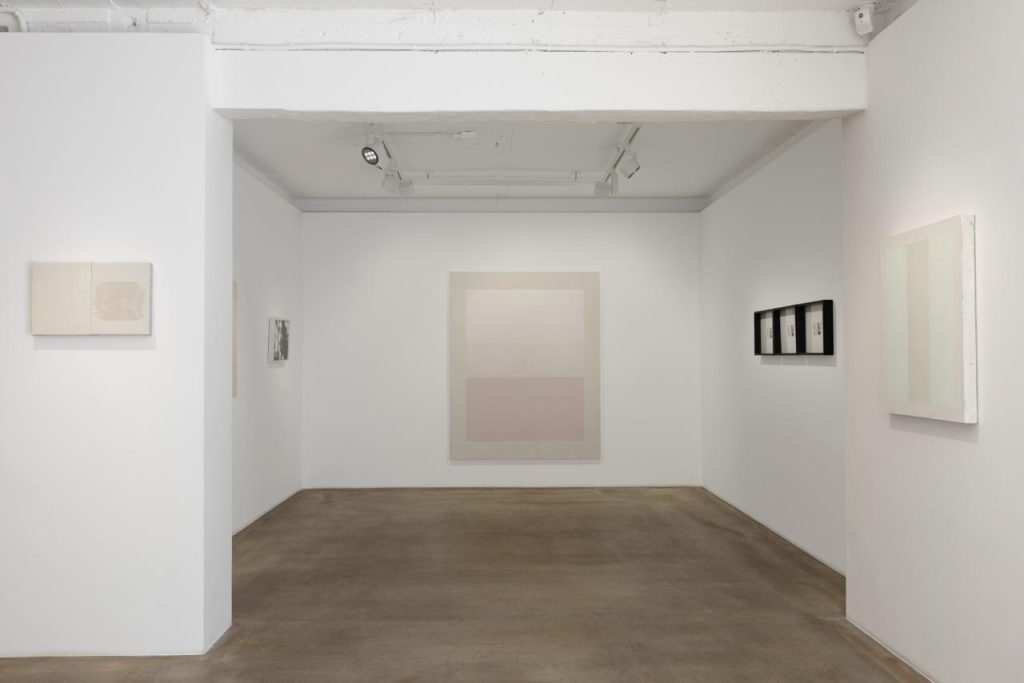
Mikyung Kim(b. 1964) explores the accumulation of time, memory, and existence through a practice rooted in repetition and layering. Working across painting, photography, and sculpture, Kim engages in a process-based methodology in which Kim repeatedly applies and removes layers of pigment or inscribes sequential numbers as a meditative, performative gesture. These acts become visual records of introspection. Drawing inspiration from everyday materials, natural phenomena, and personal memory, Kim constructs temporal stratifications across her work.
Input your search keywords and press Enter.